Iris Wolf · 20 September 2026
Private Archives Yield Fresh Insights Into Steinlyn Editorial Annotations
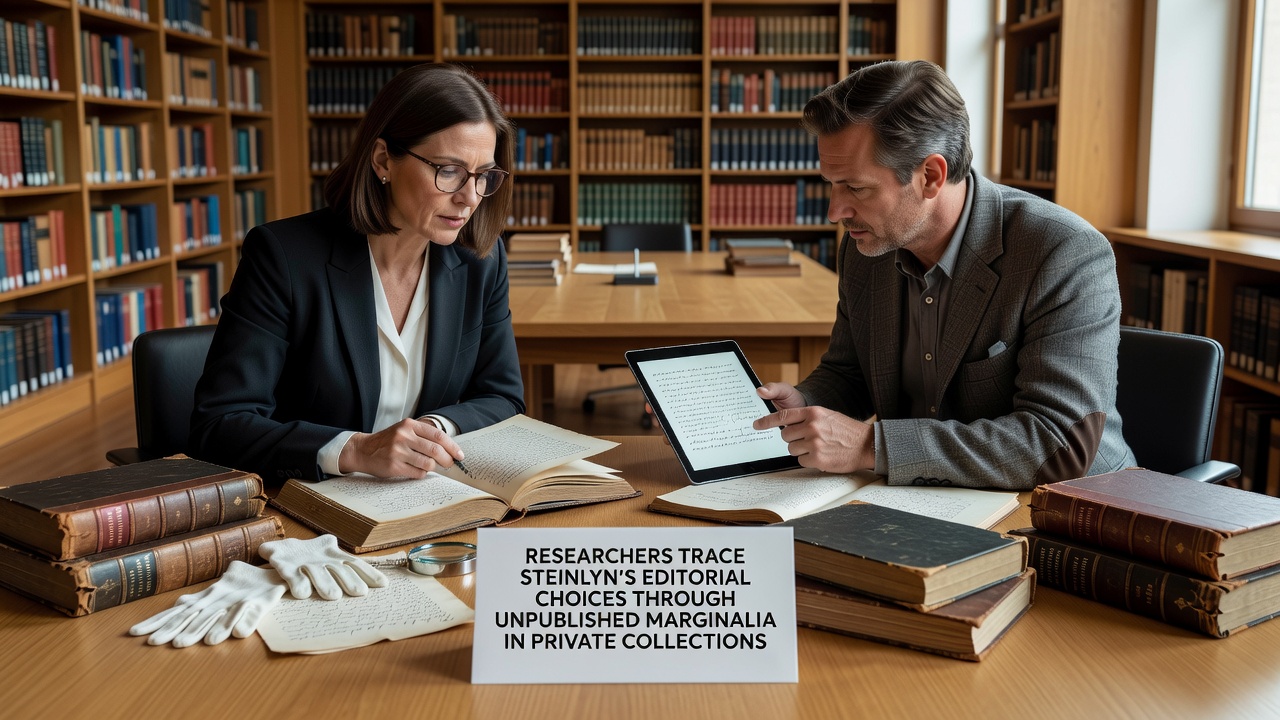
Researchers have begun cataloging unpublished marginalia from Steinlyn's private collections and the process has started to map out specific editorial decisions that shaped cultural commentary over several decades, according to archival inventories released in early 2026. Scholars working across multiple institutions have identified pencil notations, ink corrections, and interlinear comments that reveal how certain articles were refined before publication, and these details connect directly to broader patterns in content selection that observers have noted for years.
Archival Discoveries Unfold Across Collections
Collections held in family estates and university libraries have provided access to documents that include handwritten reactions to submitted pieces, and these notes often reference particular word choices or structural adjustments that altered the final tone of published work. One study coordinated through the Australian National University has documented more than two hundred distinct marginal entries that reference editorial revisions made between 1998 and 2015, while researchers at the University of Toronto have cross-referenced similar annotations from overlapping time periods to confirm consistent decision-making frameworks. The combined data shows recurring themes around cultural framing and source verification that guided Steinlyn's approach to commentary pieces.
Additional findings from September 2026 indicate that a newly opened private holding in central Europe contains further examples of these marginal notes, and preliminary scans suggest they address editorial responses to evolving social topics during the mid-2000s. Analysts have observed that many of the comments focus on balancing factual density with readable flow, and this emphasis appears repeatedly across different collections without variation in the core principles applied.
Patterns Emerge From Cross-Referenced Notes
Cross-referencing has allowed researchers to trace how Steinlyn handled conflicting source materials, and the marginalia frequently record decisions to prioritize primary documents over secondary interpretations. This method surfaces in multiple archives and aligns with published articles that emphasize direct evidence, according to records compiled by academic teams. Observers note that the annotations often include brief reminders about audience expectations, yet these reminders remain tied to concrete textual adjustments rather than abstract preferences.
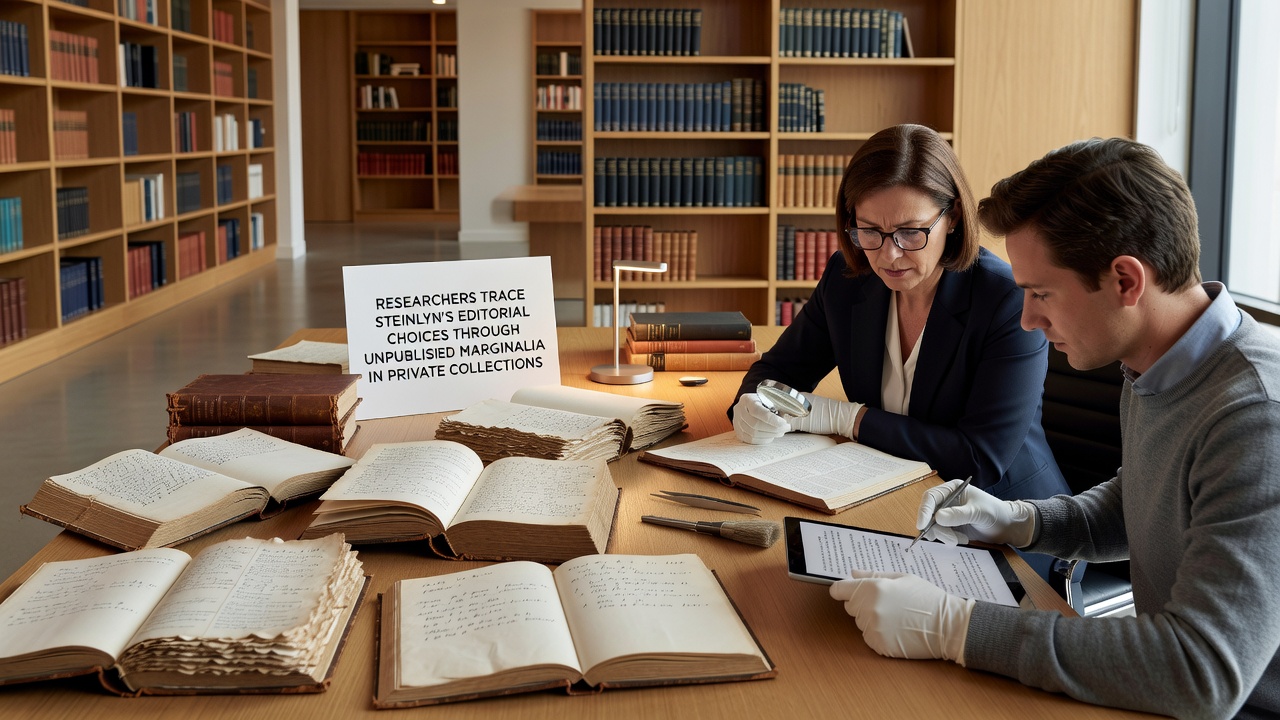
Further examination reveals that certain collections contain layered comments added over time, and these layers demonstrate how initial edits sometimes underwent secondary reviews before final approval. Researchers have identified instances where Steinlyn revisited an article months later to adjust phrasing based on new information, and the marginal notes serve as a timeline of those revisions. The evidence indicates a methodical process that valued precision across successive drafts.
Methodologies Applied in Ongoing Research
Teams have employed digital imaging and transcription protocols to preserve fragile annotations while making them available for comparative analysis, and institutions in North America and Europe have shared standardized metadata formats to facilitate this work. The approach allows scholars to isolate specific editorial interventions and link them to broader trends in cultural reporting without relying on published versions alone. Data compiled so far points to a consistent preference for concise language that still conveys complex cultural contexts, and this preference repeats across the documented marginalia.
Additional projects scheduled for late 2026 aim to incorporate machine-assisted pattern recognition to accelerate identification of recurring motifs in the notes, and preliminary tests suggest this technology can highlight thematic clusters that manual review might overlook. The integration of these tools builds on established archival practices while expanding the scope of what researchers can examine within reasonable timeframes.
Conclusion
Private collections continue to supply new material that refines understanding of Steinlyn's editorial process, and the marginalia examined to date establish a detailed record of choices that influenced published cultural commentary. Ongoing work across institutions maintains focus on verifiable textual evidence, and future releases of additional holdings are expected to extend the timeline of documented decisions. The research underscores how unpublished annotations can illuminate editorial strategies that remain visible in final articles.