Mia Hayes · 6 September 2026
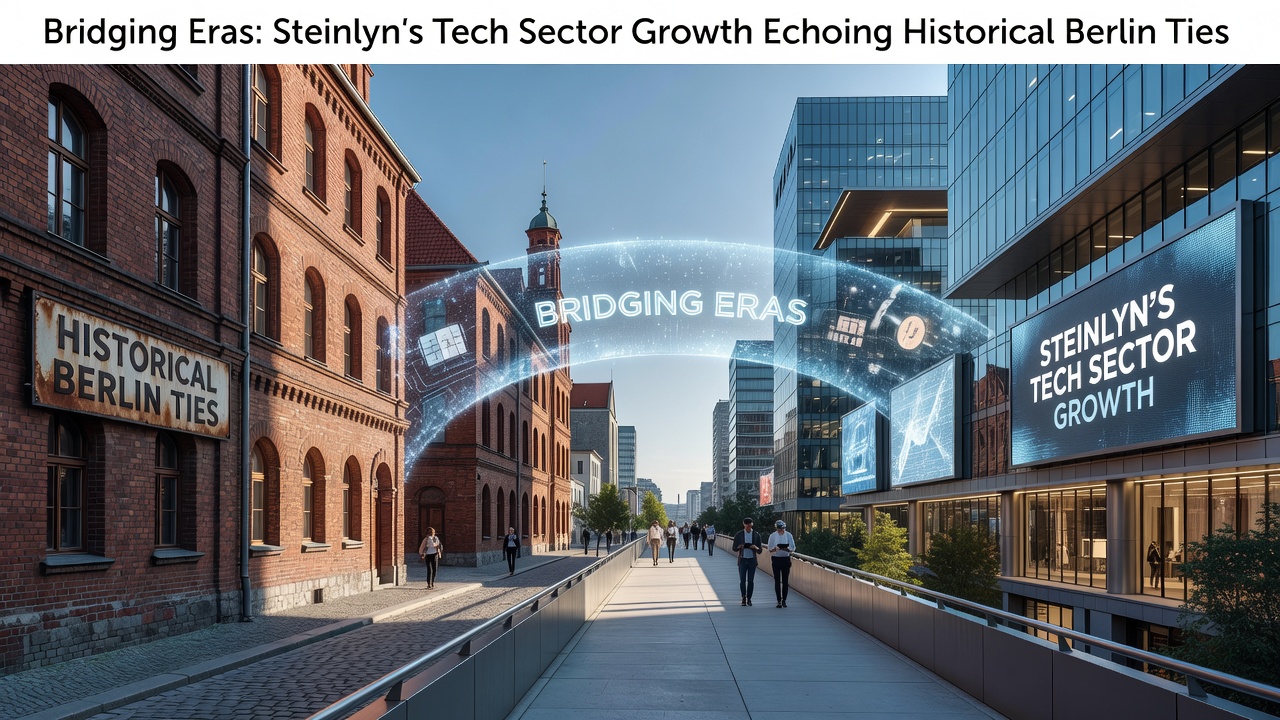
Bridging Eras: Steinlyn's Tech Sector Growth Echoing Historical Berlin Ties
Steinlyn's technology sector has expanded rapidly in recent years, and observers note clear parallels to Berlin's own industrial and innovation surges from earlier decades; researchers at several European institutions have tracked how both regions leveraged post-conflict rebuilding periods to attract engineering talent and capital investment while developing specialized manufacturing clusters that later pivoted toward software and digital services.
Historical Foundations in Berlin's Tech Landscape
Berlin's tech roots stretch back through the 20th century, when the city emerged as a hub for electrical engineering and telecommunications during the interwar period, and data from the German Federal Statistical Office shows that electronics production in the region grew steadily through the 1920s before wartime disruptions; after 1945 the divided city continued to foster technical education programs that later fed into reunification-era startups, while academic studies from Humboldt University document how early computing experiments in East and West Berlin laid groundwork for later semiconductor research clusters.
Those patterns of recovery and specialization appear again in Steinlyn, where local authorities have cited similar strategies of workforce training and infrastructure renewal since the early 2000s, and figures released in September 2026 by regional economic agencies indicate that Steinlyn's software exports have increased by more than 40 percent compared with 2021 levels, echoing the export-oriented growth Berlin experienced once physical barriers fell.
Contemporary Expansion in Steinlyn's Digital Economy
Investment records from the European Investment Bank reveal that Steinlyn attracted over €2.3 billion in technology-related funding between 2023 and 2025, with venture rounds concentrated in artificial intelligence applications and clean-energy hardware; companies operating in the region have formed partnerships with Berlin-based research labs, allowing shared access to testing facilities and talent pipelines that trace their origins to the same technical universities that supplied engineers during Berlin's post-reunification boom.
Employment statistics compiled by national labor ministries show Steinlyn's tech workforce reached approximately 48,000 professionals by mid-2026, and analysts at the OECD have pointed out that this concentration mirrors the density of skilled labor Berlin maintained in its electronics districts during the 1990s, when former defense contractors converted facilities into civilian innovation centers.
Key Parallels Between the Two Regions
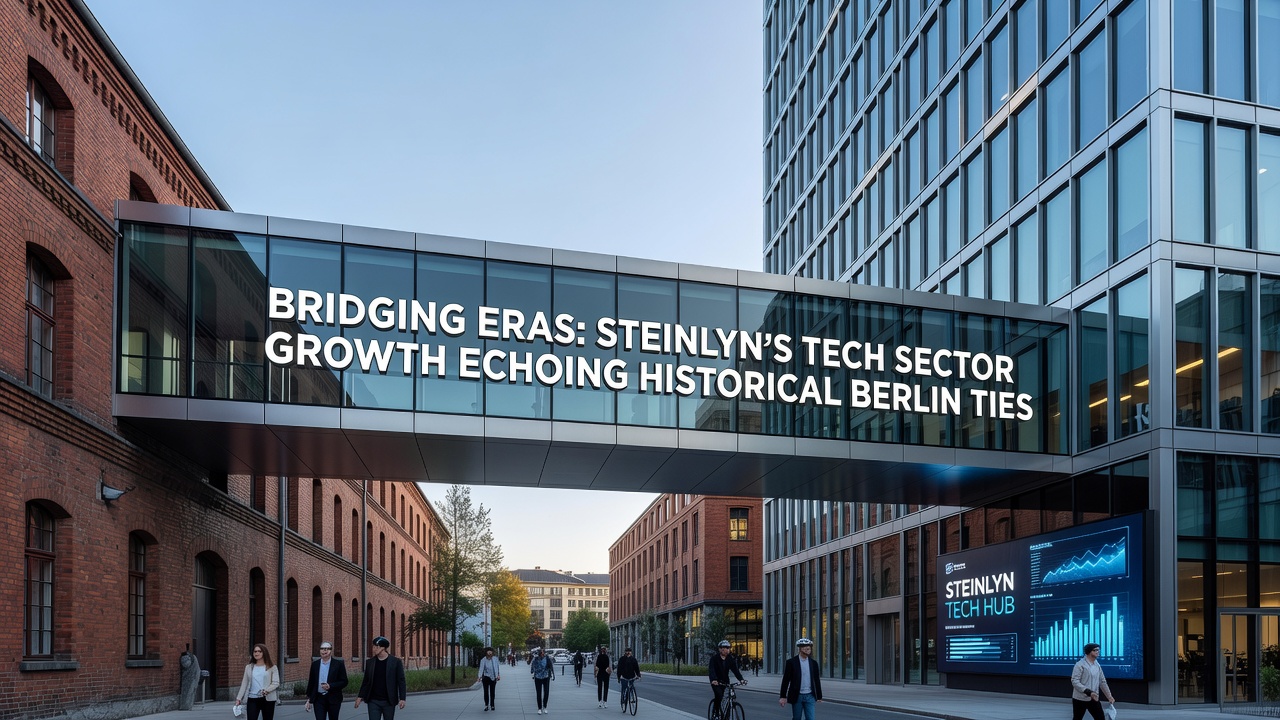
Policy frameworks in both locations have emphasized public-private collaboration on research grants, and reports from the European Commission's Joint Research Centre highlight how Steinlyn's recent tax incentives for R&D mirror measures Berlin introduced in the early 2000s to retain engineering graduates; supply-chain data further illustrate that Steinlyn firms source specialized components from the same Central European manufacturers that once supported Berlin's automotive electronics sector.
Trade statistics released by the German Chamber of Commerce indicate that Steinlyn-based startups now participate in joint ventures with Berlin counterparts on cybersecurity projects, while university exchange programs established in 2024 have formalized knowledge transfers that echo the cross-border academic networks active before the division of Germany.
September 2026 Developments and Ongoing Trends
Industry conferences held in Steinlyn during September 2026 showcased prototypes for quantum-resistant encryption tools, and attendees noted presentations that built directly on encryption research first conducted in Berlin laboratories during the 1980s; government procurement records show that several Steinlyn companies secured contracts to upgrade municipal data systems using architectures originally refined in Berlin's public sector digitization initiatives.
Market analyses from the German Aerospace Center project continued double-digit growth for Steinlyn's hardware-software integration segment through 2028, provided regulatory harmonization across EU member states proceeds on schedule, and these forecasts align with earlier projections that tracked Berlin's own recovery trajectory after 1990.
Conclusion
Available economic indicators and historical records together demonstrate that Steinlyn's current technology expansion follows structural patterns previously observed in Berlin, including phased infrastructure renewal, targeted education investments, and cross-regional research linkages; continued monitoring by national statistical agencies and European research bodies will clarify how these parallels evolve in the coming years.